Nordvpn Vs Expressvpn: Complete Comparison & Guide
Comparing NordVPN and ExpressVPN features, speeds, and security. Find the best VPN for streaming, privacy, and developers. Updated 2026.
8 min read
The digital landscape of 2026 demands robust online security and privacy. For many, this means a Virtual Private Network (VPN) is an essential tool. Two titans consistently vie for the top spot: NordVPN and ExpressVPN. While both offer strong encryption and a commitment to user privacy, they cater to slightly different needs and budgets. This in-depth comparison will dissect their offerings, from pricing and performance to unique features, to help you make the definitive choice.
Core Features and Performance
When evaluating VPNs, speed, server network, and simultaneous connections are paramount.
Speed and Server Network
NordVPN consistently edges out ExpressVPN in speed tests. This translates to smoother streaming, faster downloads, and a more responsive browsing experience, especially when connecting to servers further afield. While ExpressVPN's speeds are respectable, NordVPN's proprietary NordLynx protocol (built on WireGuard) offers a noticeable performance boost.
The sheer scale of NordVPN's server network is also a significant advantage. With a higher and more transparent count of servers spread across numerous countries, users have more options for bypassing geo-restrictions and finding optimal connection points. ExpressVPN's network is robust, but NordVPN's is simply larger and more readily detailed.
Simultaneous Connections
In terms of device connectivity, ExpressVPN has recently upped its game. Its Pro plan now supports an impressive 14 simultaneous connections, a clear win for households or users managing multiple devices. NordVPN, while generous with 10 simultaneous connections across all its plans, falls short of ExpressVPN's top-tier offering.
Pricing and Value
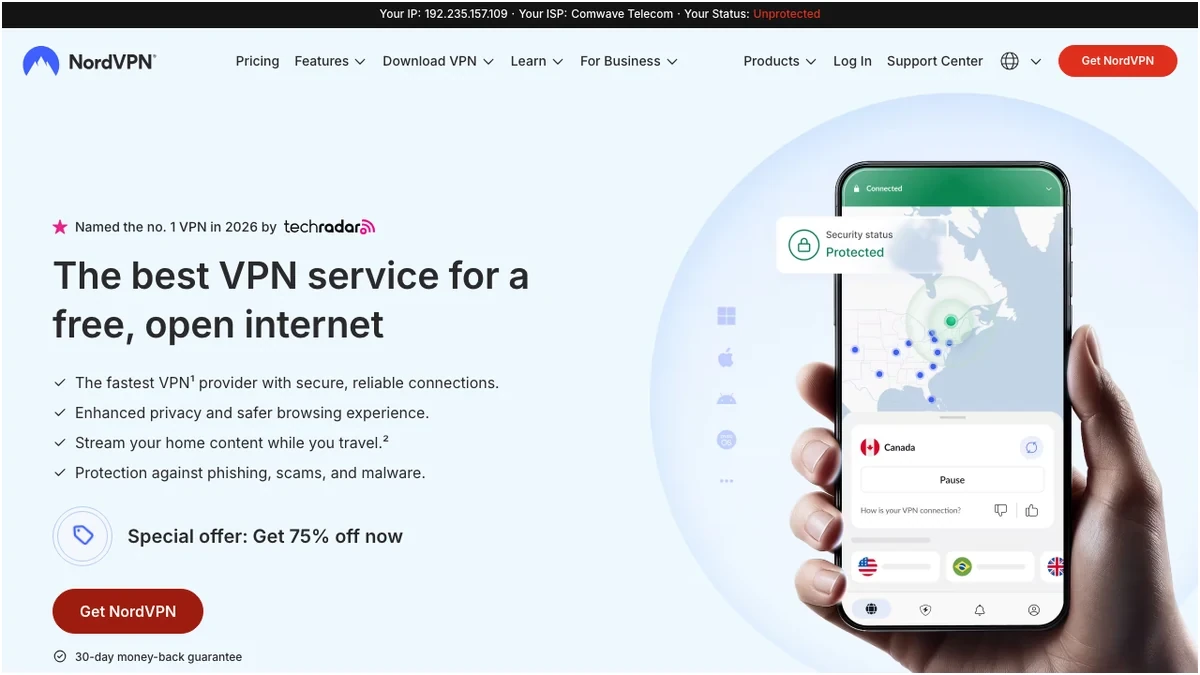
The cost of a VPN is a major deciding factor for many. Both NordVPN and ExpressVPN offer tiered pricing structures, with significant discounts for longer commitments.
NordVPN Pricing Tiers
NordVPN has expanded its offerings into four distinct plans, catering to a wider range of user needs:
- Basic: Core VPN functionality with up to 10 simultaneous connections.
- Plus: Includes NordPass password manager and a data breach scanner.
- Complete: Adds 1TB of encrypted cloud storage to the Plus features.
- Prime: The most comprehensive offering, including identity theft protection and cyber insurance.
It's crucial to note NordVPN's renewal rates. While the biennial plans offer exceptional value during the promotional period, the Basic plan can jump to approximately $11.59/mo after the initial term.
ExpressVPN Pricing Tiers
ExpressVPN has also revamped its structure, offering three distinct plans:
- Basic: Provides all core VPN features and up to 10 device connections.
- Advanced: Bundles a password manager, advanced threat protection, and eSIM data.
- Pro: Offers credit monitoring, identity protection, and the highest number of simultaneous connections (up to 14).
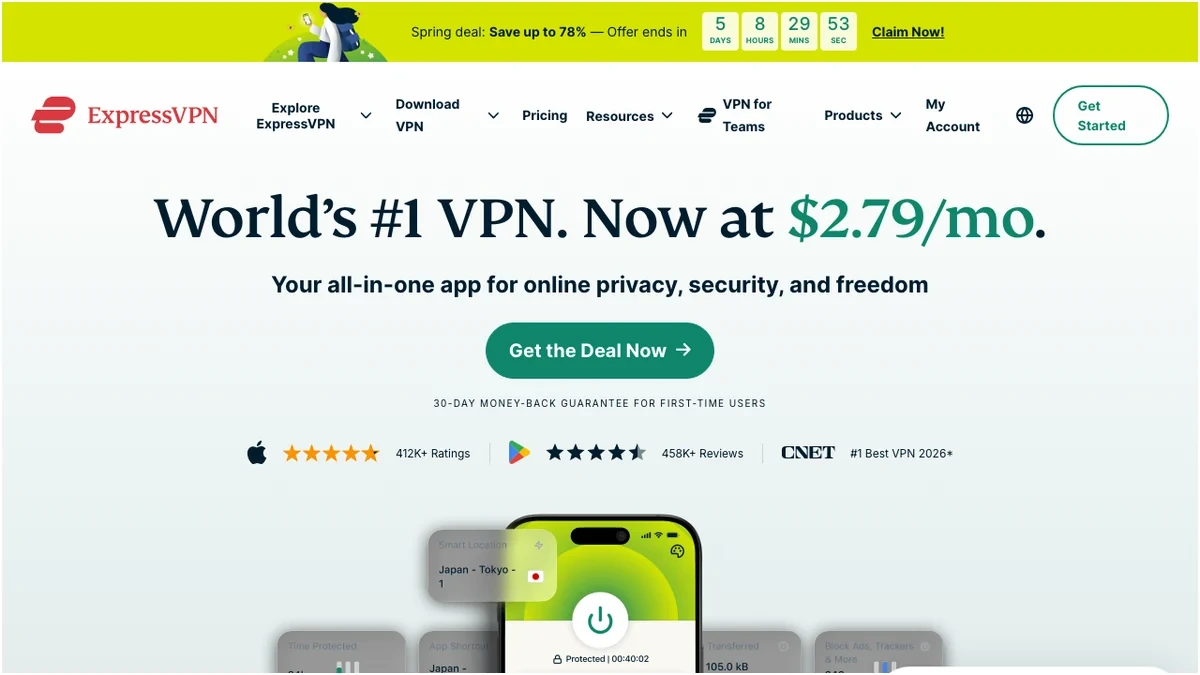
ExpressVPN's biennial plan offers the absolute lowest promotional price at $2.44/mo. However, its renewal rate for the Basic plan can climb to around $8.33/mo after the initial promotional period, and the Pro plan's renewal can reach a substantial $155/year.
Value Proposition
For long-term commitment, NordVPN generally presents a more affordable option. Its 2-year plans are consistently priced lower than ExpressVPN's equivalent tiers. However, if the absolute lowest initial promotional price is your priority, ExpressVPN's 2-year Basic plan is hard to beat.
Both services offer a 30-day money-back guarantee, allowing risk-free testing.
Security and Privacy Features
Beyond basic encryption, both VPNs offer advanced features to bolster your online security.
Encryption and Protocols
Both NordVPN and ExpressVPN utilize industry-standard AES-256 encryption, considered uncrackable. They also support a range of secure VPN protocols, including OpenVPN and their own proprietary protocols (NordLynx for NordVPN, Lightway for ExpressVPN). These proprietary protocols are engineered for speed and security, with Lightway being particularly praised for its efficiency and reliability.
Dedicated IPs
For users who require a static IP address for specific applications or to avoid CAPTCHAs, both providers offer dedicated IP addresses for an additional monthly fee. ExpressVPN's approach uses a token-based system, enhancing privacy by not directly linking the IP to your user account. NordVPN's dedicated IP is linked to your account, which may be a consideration for users prioritizing absolute anonymity.
Additional Security Features
NordVPN's higher-tier plans offer compelling additions like NordPass, a robust password manager, and a data breach scanner. The Complete and Prime plans further enhance this with encrypted cloud storage and identity protection services. ExpressVPN's Advanced and Pro plans also include a password manager, advanced threat protection, and identity protection features, making them competitive in this regard.
Free Trials
ExpressVPN offers a more accessible free trial, providing 7 days of service on any device. NordVPN's free trial is limited to new Android users, making it less convenient for users on other platforms.
Feature Comparison Table
To provide a clear overview, here's a direct comparison of key features:
| Feature | NordVPN | ExpressVPN |
|---|---|---|
| 1-year pricing | $4.99/mo | $6.67/mo |
| 2-year pricing | $3.09-$3.39/mo | $2.44-$4.99/mo |
| Simultaneous connections | 10 | Up to 14 (Pro) |
| Server network size | Larger & transparent | Smaller & less transparent |
| Speed (NordLynx/Lightway) | Faster | Slower |
| Dedicated IPs | Account-linked | Token-based (more private) |
| Free trial | 7-day Android only | 7-day any device |
| Money-back guarantee | 30 days | 30 days |
| Password manager | Plus+ plans | Advanced+ plans |
| Identity protection | Prime plan | Pro plan |
Pros and Cons
Here's a summary of the advantages and disadvantages of each service:
NordVPN Pros & Cons
ExpressVPN Pros & Cons
Verdict
Choosing between NordVPN and ExpressVPN ultimately depends on your priorities.